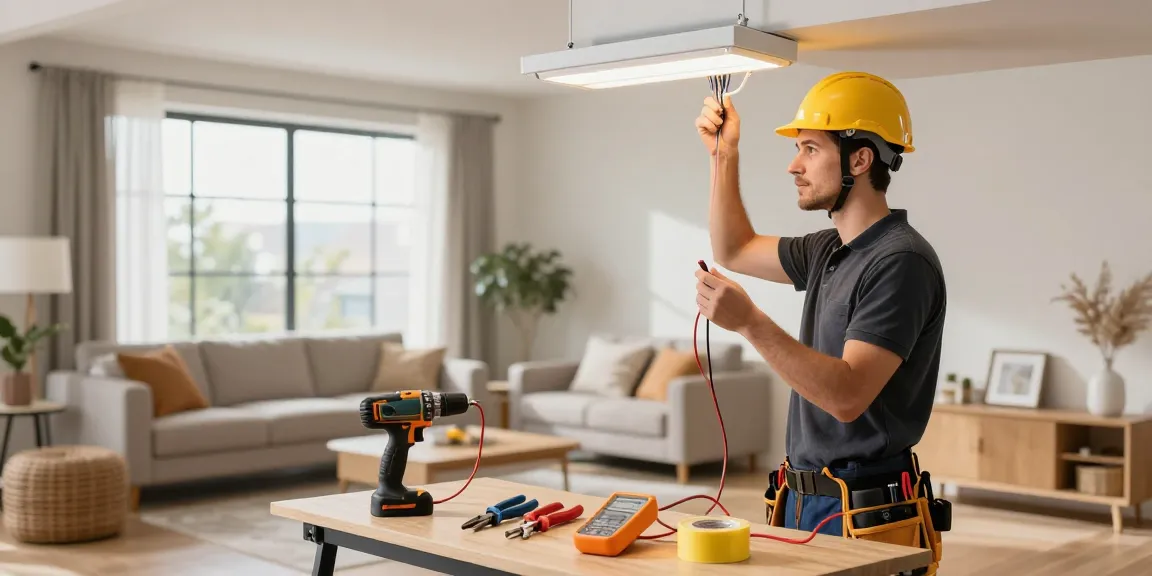
Understanding the Role of Electricians in Your Area
Electricians play a crucial role in maintaining the electrical infrastructure of our homes and businesses. As the backbone of any electrical system, they ensure that we have safe and reliable access to electricity. Whether you're dealing with a flickering light bulb or planning a complete rewiring of your property, the expertise of an electrician near you can make all the difference. In this article, we will explore what electricians do, the skills they possess, and how to find the right one for your needs.
What Does an Electrician Near You Do?
An electrician is responsible for the installation, maintenance, and repair of electrical systems. Their work includes wiring, circuit design, and troubleshooting electrical equipment. Electricians ensure that electrical systems comply with safety regulations and standards, which are essential for preventing accidents such as electrical fires or shock.
Typically, electricians can be categorized into three main types:
- Residential electricians: Focus on home electrical systems, including installations, repairs, and upgrades.
- Commercial electricians: Work on large-scale electrical systems for businesses and commercial buildings.
- Industrial electricians: Specialize in electrical systems for manufacturing plants and factories.
Key Skills and Qualifications to Look For
When choosing an electrician, it's essential to evaluate their qualifications and skills. A certified electrician should possess:
- Licensing: Electricians should be licensed in their respective regions, ensuring they meet local regulations.
- Experience: Look for electricians with considerable hands-on experience in your type of project.
- Problem-solving skills: Electricians must be able to diagnose and fix issues quickly and effectively.
- Communication skills: Clear communication helps in understanding the requirements and providing updates on progress.
Common Electrical Services Offered in Your Community
Electricians provide a wide array of services that cater to different needs. Here are some common services you might find:
- Wiring installations: New home builds or renovations often require new wiring.
- Lighting installations: From recessed lighting to chandeliers, electricians can handle all types of lighting systems.
- Electrical repairs: Fixing wiring issues, blown fuses, and malfunctioning outlets.
- Electrical inspections: Regular inspections can help identify potential hazards.
Finding the Right Electrician for Your Needs
Finding a qualified electrician can be daunting, but with the right approach, it becomes manageable. Here’s how to start:
How to Search for Electricians Near You
Begin your search by utilizing online resources. Websites like Yelp and Angie's List provide reviews and ratings for local electricians. Additionally, asking friends and family for recommendations can introduce you to trustworthy professionals in your area.
Evaluating Qualifications and Reviews
Once you've shortlisted a few electricians, it’s crucial to evaluate their qualifications. Check if they have the necessary licenses and insurance. Also, read customer reviews to gauge their reputation and quality of work.
Questions to Ask Before Hiring
Before hiring an electrician, ask them essential questions to ensure they meet your needs:
- What is your experience with similar projects?
- Are you licensed and insured?
- Can you provide references from previous clients?
- What is your estimated timeline for the project?
- How do you handle unexpected costs?
Common Electrical Issues and Solutions
Homeowners often encounter various electrical issues. Understanding these can help you take action quickly.
Identifying Electrical Problems in Your Home
Common signs of electrical problems include flickering lights, tripped circuit breakers, and buzzing sounds from outlets. If you notice any of these symptoms, it’s time to consult an electrician.
DIY vs. Professional Solutions
While some minor repairs can be handled as DIY projects, such as changing a light bulb, more complex issues should always be left to professionals. Attempting to fix significant electrical problems without expertise can lead to severe injuries and further damage.
Safety Measures for Homeowners
As a homeowner, safety should be your priority. Always turn off power at the circuit breaker before attempting any electrical work. Keep a fire extinguisher nearby and ensure you know how to use it in case of emergencies. Regular electrical inspections can also help maintain safety.
Cost Considerations for Electrical Services
The cost of hiring an electrician can vary widely depending on several factors, but understanding these factors can help you budget accordingly.
Typical Pricing for Electrician Services
On average, electricians may charge between £45 and £85 per hour, depending on their expertise and the complexity of the job. Flat-rate pricing may be offered for specific tasks, such as installing fixtures.
Factors Influencing Electrical Work Costs
Several factors can influence the cost of electrical services:
- Type of service: Installation and new wiring typically cost more than repairs.
- Location: Service prices can vary based on region and demand.
- Complexity of the job: More intricate tasks will often require more time and expertise.
Understanding Estimates and Quotes
Before any work begins, it’s wise to get a detailed estimate or quote that outlines the expected costs. This should include labor, materials, and any additional fees. Always clarify any uncertainties with your electrician before proceeding.
Future Trends in Electrical Services (2026 and Beyond)
The electrical services industry is continuously evolving. Staying informed about emerging trends can give you insights into future electrical needs.
Emerging Technologies in Electrical Installation
New technologies, such as solar panels and electric vehicle charging stations, are becoming more prevalent. Electricians will increasingly need to be familiar with installing and maintaining these systems, which can enhance energy efficiency and sustainability.
Energy Efficiency Trends Impacting Electrical Services
As energy efficiency becomes a priority, electricians will be tasked with recommending and implementing energy-saving solutions such as LED lighting and smart thermostats, which can significantly reduce energy consumption.
The Role of Smart Home Technology in Electrical Work
The rise of smart home technology is revolutionizing how we manage electrical systems. Electricians will need to adapt to installing smart home devices, allowing homeowners to control lighting, heating, and security remotely.
What Should You Do If You Experience an Electrical Emergency?
In case of an electrical emergency, it’s crucial to act quickly. Disconnect the power, avoid using water, and contact a professional electrician immediately. Do not attempt to resolve the issue if you are unsure of what to do.
How Often Should You Schedule Electrical Inspections?
It is recommended to have an electrical inspection every three to five years. Additionally, schedule an inspection after major renovations or if you notice any electrical issues, ensuring your home remains safe and up to code.
What Are the Benefits of Hiring a Local Electrician?
Hiring a local electrician provides several advantages, including quicker response times, a commitment to community service, and familiarity with local building codes. Additionally, local electricians often rely on word-of-mouth referrals, motivating them to deliver the best service possible.