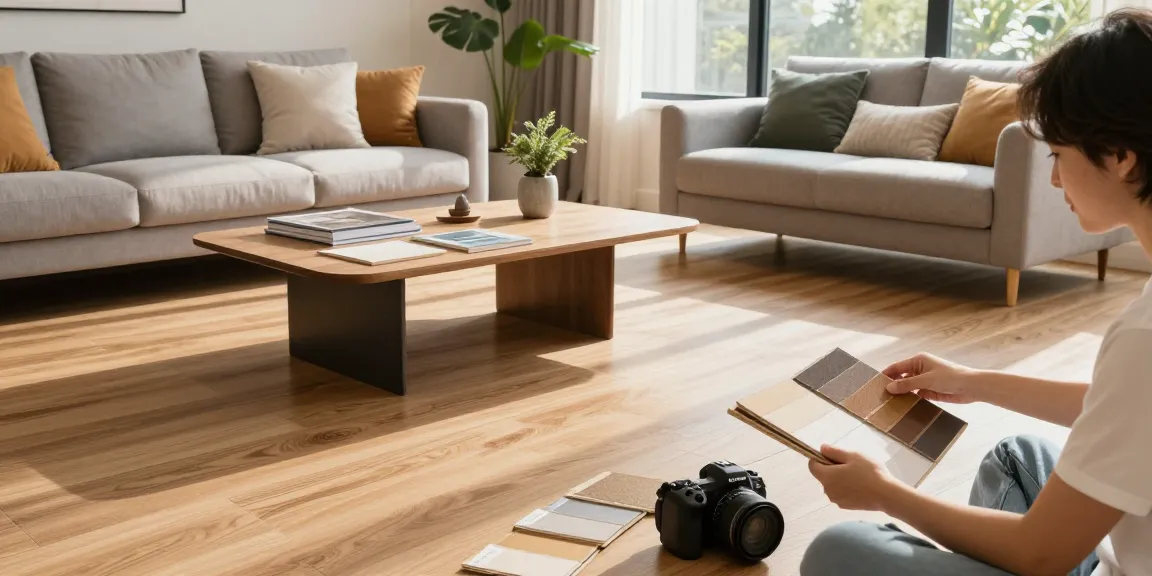
Understanding the Basics of Laminate and Engineered Wood Flooring
When it comes to flooring options in the UK, homeowners frequently find themselves deliberating between laminate and engineered wood. The myriad choices on the market can often become overwhelming, making it crucial to understand the fundamental differences between these two popular selections. Smart flooring ideas for renovations can guide you through this decision-making process, ensuring you select flooring that harmonizes with your lifestyle and design aspirations.
What Is Laminate Flooring?
Laminate flooring is a multi-layer synthetic product designed to mimic the appearance of wood. Its construction includes a core made from high-density fiberboard (HDF) that is topped with a decorative layer, typically featuring a photographic image of wood grain. This printed layer is protected by a wear layer that enhances durability and scratch resistance. Laminate flooring is recognized for its affordability, ease of installation, and minimal maintenance requirements, making it an attractive choice for both budget-conscious and busy homeowners.
What Is Engineered Wood Flooring?
Engineered wood flooring, on the other hand, consists of a thin top layer of real hardwood that is bonded to multiple layers of plywood or high-density fiberboard. This construction method allows it to retain the authentic look and feel of solid wood while providing increased stability in various environmental conditions. Engineered wood is less susceptible to warping or splitting compared to solid hardwood, making it suitable for installations in areas with fluctuating humidity, such as basements or kitchens. Additionally, it boasts a longer lifespan than laminate, making it a worthy investment for those looking for premium aesthetics.
Key Differences: Structure and Performance
Understanding the structural and performance differences between laminate and engineered wood can significantly impact your flooring choice. While laminate is primarily a synthetic product designed for maximum durability and low cost, engineered wood offers the charm and elegance of natural wood with improved stability. The key distinctions can be summarized as follows:
- Material Composition: Laminate is synthetic, whereas engineered wood features real hardwood.
- Durability: Laminate is generally more resistant to scratches and dents, whereas engineered wood can provide better moisture resistance if properly sealed.
- Aesthetic Appeal: Engineered wood provides a more authentic look and feel of natural wood, while laminate may lack the depth and warmth of real wood grain.
- Price Point: Laminate is typically more budget-friendly, while engineered wood is considered a premium option.
Smart Flooring Ideas for Renovations: Benefits of Each Type
Cost-Effectiveness of Laminate Flooring
For homeowners embarking on renovations, laminate flooring stands out as an economical choice. With prices significantly lower than engineered wood, it allows for more extensive coverage without breaking the bank. Additionally, the installation process is often user-friendly, perfect for DIY enthusiasts looking to save on labor costs. The combination of affordability and durability makes laminate ideal for high-traffic areas or rental properties, where flooring might endure more wear and tear.
Long-Term Value of Engineered Wood
While laminate offers initial cost savings, engineered wood is often favored for its long-term value. Its life expectancy typically exceeds that of laminate, particularly when maintained correctly. This flooring type not only enhances the resale value of a home but also offers long-term aesthetic and functional benefits. For homeowners focused on investing in quality, engineered wood represents a sound choice, especially in spaces where the visual appeal is paramount.
Environmental Considerations for Sustainable Choices
In today’s environmentally-conscious market, considering the sustainability of your flooring materials is essential. Engineered wood is often produced using eco-friendly practices and can be sourced from sustainably managed forests. Many manufacturers offer products that meet stringent environmental standards, appealing to eco-conscious consumers. Conversely, laminate flooring, while typically made from recycled materials, may involve chemical processes that are less sustainable. Therefore, understanding the environmental impact of your flooring choice can guide you toward a more responsible renovation.
Choosing the Right Flooring for Your Space
Factors to Consider: Budget, Style, and Lifestyle
When selecting flooring, it’s imperative to evaluate your budget, personal style, and lifestyle needs. Consider how much traffic the area will experience, what design elements you wish to highlight, and your maintenance preferences. For example, a family with young children and pets may benefit from the durability and easy-care nature of laminate, while a couple looking for elegance may lean towards engineered wood for its aesthetic appeal. Taking stock of these factors can help narrow down your options significantly.
Room-Specific Recommendations: Kitchen, Bedroom, and Living Area
Different areas of the home have unique flooring requirements. In kitchens, laminate's moisture resistance makes it a practical choice, although properly sealed engineered wood can also perform well. For bedrooms, both options can work, but engineered wood adds a touch of warmth and luxury. In living areas, engineered wood often proves more beneficial for resale value and overall ambiance. Understanding these room-specific recommendations can help streamline your choice, ultimately enhancing your home’s functionality and aesthetic.
Smart Installation Tips for DIY Enthusiasts
Installing either laminate or engineered wood can be a rewarding project for DIY enthusiasts. For laminate, an easy-click installation system simplifies the process, allowing homeowners to lay flooring without glue or nails. Ensure the subfloor is clean, dry, and level for optimal results. For engineered wood, proper acclimatization is crucial; allowing the planks to adjust to room temperature and humidity before installation minimizes expansion and contraction. Utilizing the right tools and techniques can enhance the overall finish and longevity of your flooring.
Maintenance and Care for Longevity
Best Practices for Maintaining Laminate Floors
Maintaining laminate floors requires minimal effort and is typically straightforward. Regular sweeping or vacuuming to remove dust and debris, combined with occasional mopping using a damp cloth or a laminate-specific cleaner, keeps surfaces looking their best. Avoid using excessive water, as too much moisture can warp the laminate. Additionally, placing mats in high-traffic areas can prevent scratches and enhance longevity.
How to Care for Engineered Wood Floors
Engineered wood floors demand a bit more attention to maintain their beauty. Regularly dusting or vacuuming, along with damp mopping using a wood-safe cleaner, helps preserve the finish. It's vital to avoid standing water and promptly clean up spills to prevent damage. Additionally, periodic refinishing may be necessary to maintain the wood's luster, enhancing the floor’s lifespan and appearance.
Common Mistakes and How to Avoid Them
Many homeowners make common mistakes that can negatively affect their flooring's appearance and longevity. One frequent error is neglecting to acclimatize wood floors before installation, leading to warping or buckling. Another mistake is using inappropriate cleaning products; harsh chemicals can damage the finish of both laminate and engineered wood. Finally, failing to use mats in high-traffic areas can result in scratches and scuffs. By being mindful of these potential pitfalls, you can ensure your flooring remains beautiful for years to come.
Future Trends in Flooring for 2026 and Beyond
Innovative Materials and Technologies
As we move towards 2026, flooring trends continue to evolve with a focus on sustainability and technology. Innovations such as water-resistant laminate options and advanced engineered wood with superior moisture resistance are gaining popularity. Additionally, manufacturing processes that utilize reclaimed materials are becoming more common, aligning with the growing demand for environmentally responsible building practices.
Emerging Design Trends in Home Renovation
In home renovations, design trends are leaning towards natural aesthetics, with a surge in popularity for flooring that mimics the texture and look of rustic wood. Colors are shifting towards warmer tones and softer finishes that evoke a sense of comfort and homeliness. Multi-functional spaces are also leading to an increase in versatile flooring options that can transition seamlessly between rooms.
Expert Insights on Choosing Your Flooring
Experts recommend that homeowners consider their long-term objectives when selecting flooring. Whether you prioritize budget, aesthetic appeal, or sustainability, aligning your choice with your vision for your space is crucial. Consulting with flooring professionals can provide additional insights and samples, helping you make a more informed decision that complements your home and lifestyle.
What are the main differences between laminate and engineered wood?
The primary differences lie in their materials and longevity, as laminate is a synthetic solution with a focus on durability, while engineered wood offers a premium wooden finish with greater stability.
How does moisture affect laminate vs. engineered wood in kitchens?
Laminate typically handles moisture better, making it a practical choice, while engineered wood can still be effective if well sealed and maintained, although it is generally more sensitive to water exposure.
What are the installation options for each flooring type?
Laminate features an easy-click installation method, while engineered wood can be installed using glue, nails, or floating systems, allowing for flexibility based on the project requirement.
How do I determine my flooring budget?
Consider both material and installation costs when budgeting for flooring; researching local prices for both laminate and engineered wood can help create a more accurate financial plan.
What trends should I consider for flooring in 2026?
Key trends include an emphasis on sustainable materials, advanced technology in moisture resistance, and a preference for natural wood aesthetics that enhance warmth in living spaces.